


TL;DR: Understanding the types of dental implants can help you choose the most advanced solution for replacing missing teeth. This guide explores how modern implant options outperform traditional bridges and dentures while delivering exceptional function, aesthetics, and long-term oral health benefits.
- Learn about the different types of dental implants, including traditional, same-day, screwless, snap-on, and implant-supported options.
- Discover how the dental implant process works, from treatment planning to final restoration.
- Understand the differences between a dental bridge vs implant and why implants often provide superior long-term results.
- Find out when a bone graft may be recommended before implant placement.
- Explore how implants preserve natural teeth, improve stability, and provide a more refined alternative to removable dentures.
Missing teeth can affect far more than your smile. They influence how you eat, speak, and feel every day. Today’s dental implant technology offers sophisticated solutions designed to restore beauty, function, and confidence with remarkable precision.
Understanding the different types of dental implants can help you make an informed decision about replacing missing teeth. While traditional options like bridges and dentures still have a place in dentistry, dental implants have become the gold standard for patients seeking exceptional long-term results.
Why Dental Implants Are Different
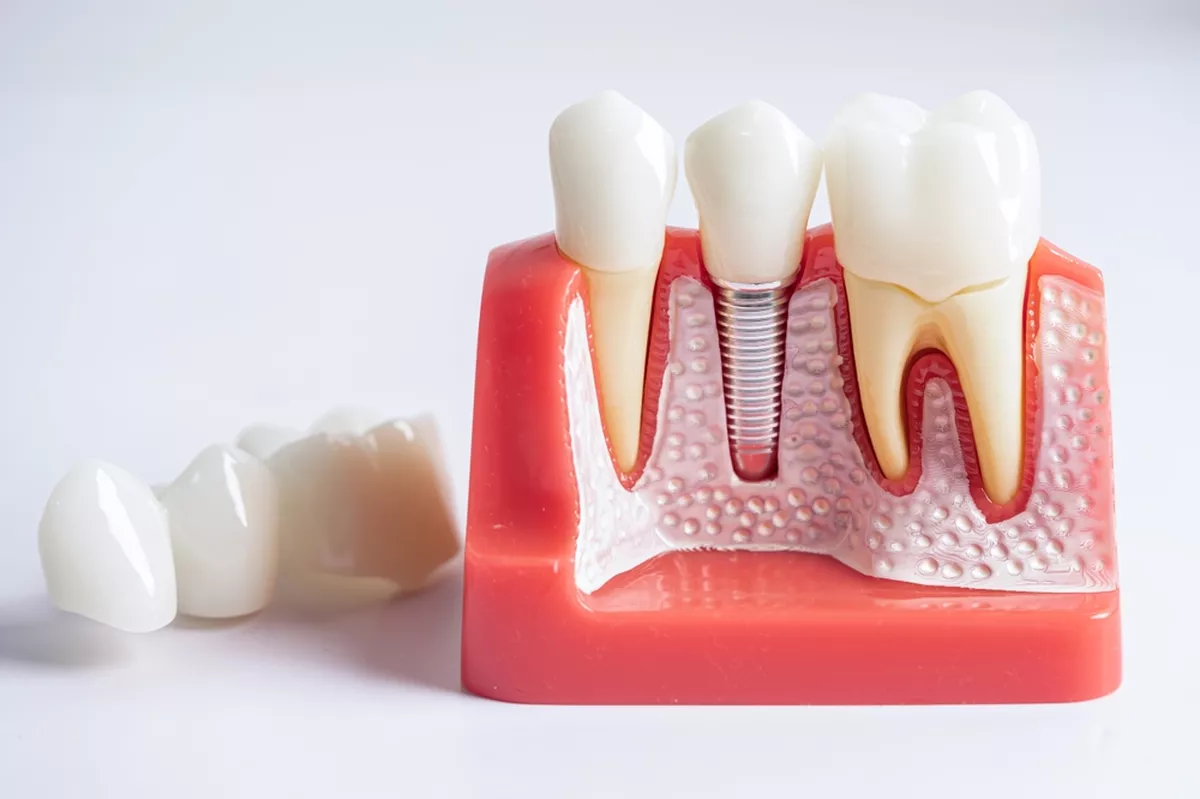
Unlike conventional tooth replacement methods that rest on the gums or rely on neighboring teeth for support, dental implants replace the missing tooth root. A small titanium implant is placed within the jawbone, where it integrates naturally with the surrounding bone over time.
This foundation allows implants to function much like natural teeth, delivering outstanding stability, comfort, and aesthetics. The result is a restoration that looks, feels, and performs with remarkable authenticity.
Exploring the Types of Dental Implants
Advances in implant dentistry have created multiple treatment options tailored to different clinical situations and patient goals. During comprehensive treatment planning, your dentist evaluates your oral health, bone quality, bite, and aesthetic objectives to determine the ideal solution.
Traditional Implant
A traditional implant is the most common option for replacing one or more missing teeth. After the implant is placed, it typically heals for several months while the titanium fuses with the jawbone through a process called osseointegration.
Once healing is complete, a custom abutment and crown are attached, creating a durable, natural-looking restoration that can last for decades with proper care.
Traditional implants are ideal for patients seeking maximum long-term stability and predictable outcomes.
Same Day Dental Implants
For qualified candidates, same day dental implants offer an accelerated treatment timeline. In many cases, the implant and a temporary restoration can be placed during the same appointment as the tooth extraction.
Patients leave the office with a complete smile while the implant continues to heal beneath the temporary restoration.
Not every patient qualifies for same-day treatment. Success depends on factors such as bone quality, bite forces, and overall oral health. Careful evaluation ensures this approach delivers the highest standard of care.
Screwless Dental Implants
One of the newest innovations in implant dentistry is Screwless Dental Implants. Instead of using a visible screw to retain the final restoration, these systems utilize advanced retention methods that create a seamless appearance.
The absence of a screw access hole allows for exceptional aesthetics, making this option especially attractive for highly visible front teeth.
Screwless restorations also simplify maintenance while preserving the clean, natural contours of the crown.
Snap On Dental Implants
Snap on dental implants provide an excellent alternative for patients who currently wear dentures but desire greater stability.
Instead of relying solely on suction or adhesives, the denture securely snaps onto strategically placed implants. This dramatically improves retention while allowing the denture to remain removable for cleaning.
Patients frequently report greater confidence while eating, speaking, and smiling after upgrading to snap-on implant systems.
Implant Supported Dentures
For patients missing an entire upper or lower arch, implant supported dentures represent a significant advancement over traditional removable appliances.
Unlike conventional dentures that rest directly on the gums, implant supported dentures are anchored to multiple dental implants. The implants support the restoration while distributing biting forces more naturally throughout the jaw.
This added stability reduces movement, improves chewing efficiency, and creates a more secure fit that many patients find life changing.
The Dental Implant Process
Understanding the dental implant process helps patients feel confident before beginning treatment.
Although every case is unique, the process generally follows several carefully planned stages.
Comprehensive Consultation
Treatment begins with a thorough examination, digital imaging, and detailed treatment planning. Advanced diagnostics allow your dentist to evaluate bone density, gum health, and overall oral function while designing a customized treatment approach.
Implant Placement
The implant is precisely positioned within the jawbone using advanced surgical techniques. Patient comfort remains a priority throughout the procedure, and many individuals are pleasantly surprised by how straightforward the experience feels.
Healing and Integration
Over the next several months, the implant naturally bonds with the surrounding bone. This creates an exceptionally strong foundation capable of supporting a permanent restoration.
Final Restoration
Once healing is complete, a custom-designed crown, bridge, or denture is attached to the implant. Each restoration is crafted to complement your facial features while blending seamlessly with your remaining natural teeth.

When Is a Bone Graft Needed?
Some patients have experienced bone loss after living with missing teeth for an extended period.
In these situations, a bone graft may be recommended before implant placement. A bone graft rebuilds areas of insufficient bone, creating a stable foundation capable of supporting dental implants.
Although hearing the term bone graft may sound intimidating, modern techniques have made the procedure highly predictable and an important step toward long-lasting implant success.
Not every patient requires grafting, and advanced imaging allows your dentist to determine your specific needs before treatment begins.
Dental Bridge vs Implant: Which Is Better?
One of the most common questions patients ask is about dental bridge vs implant treatment.
A traditional dental bridge replaces a missing tooth by placing crowns on the adjacent teeth and suspending an artificial tooth between them.
While bridges remain an effective solution in certain cases, they require reshaping otherwise healthy neighboring teeth.
Dental implants, by comparison, replace the missing tooth independently without altering surrounding natural teeth. Because the implant replaces the tooth root, it also helps preserve jawbone volume over time.
When comparing dental bridge vs implant treatment, implants often provide superior long-term stability, easier maintenance, and improved preservation of oral structures.
How Implants Outperform Removable Dentures
Many patients who have worn removable dentures eventually seek a more stable solution.
Although removable dentures restore appearance, they can shift during meals or conversations, require adhesives, and contribute to ongoing bone loss because they do not stimulate the jaw.
Dental implants change that experience entirely.
Because the implants support the restoration directly, patients enjoy greater confidence while eating tougher foods, speaking clearly, and smiling freely. The added stability also reduces irritation caused by denture movement.
For full-arch tooth replacement, implant supported dentures combine the convenience of a complete restoration with the security that only implants can provide.
A Personalized Approach to Smile Restoration
No two smiles are alike, which is why individualized treatment planning remains essential. Factors including bone quality, oral health, aesthetic goals, and lifestyle all influence the ideal treatment recommendation.
Modern implant dentistry offers more solutions than ever before, from same day dental implants and snap on dental implants to elegant screwless dental implants and full-arch restorations.
Choosing the right option means working with an experienced implant dentist who combines advanced technology with meticulous attention to detail.
Invest in a Smile Designed to Last
Replacing missing teeth is about more than restoring appearance. It is about reclaiming comfort, confidence, and the ability to enjoy life without compromise.
Today’s types of dental implants offer sophisticated alternatives to bridges and dentures, delivering exceptional function while preserving your oral health for years to come. By understanding the available options and the complete dental implant process, you can move forward with confidence and choose a solution designed to provide lasting beauty, strength, and performance.
