


TL;DR: All-on-Four dental implants offer a fixed approach to replacing an entire arch of missing or failing teeth. Discover how they compare with conventional dentures and other reconstruction options, and why clinical expertise, personalized design, and ongoing care matter.
- Four strategically placed implants support a custom bridge that remains in place during everyday use, offering greater stability than conventional removable dentures.
- Detailed planning considers tooth proportions, shade, bite, and facial balance to create an individualized result.
- Suitable patients may avoid bone grafting or receive temporary fixed teeth on surgery day, but healing and final restoration take longer.
- The appropriate treatment depends on bone, oral health, medical history, and whether natural teeth can be preserved.
Replacing an entire arch of teeth requires careful consideration of appearance, function, and lasting comfort. For patients dissatisfied with removable dentures or previous dental work, All-on-Four dental implants offer a fixed solution designed around the individual.
Their advantages extend beyond stability. Thoughtful implant placement and meticulous restorative design can create a smile that feels more secure and looks naturally balanced. Understanding how this approach compares with other reconstruction options begins with understanding what it replaces.
What Are All-on-Four Dental Implants?
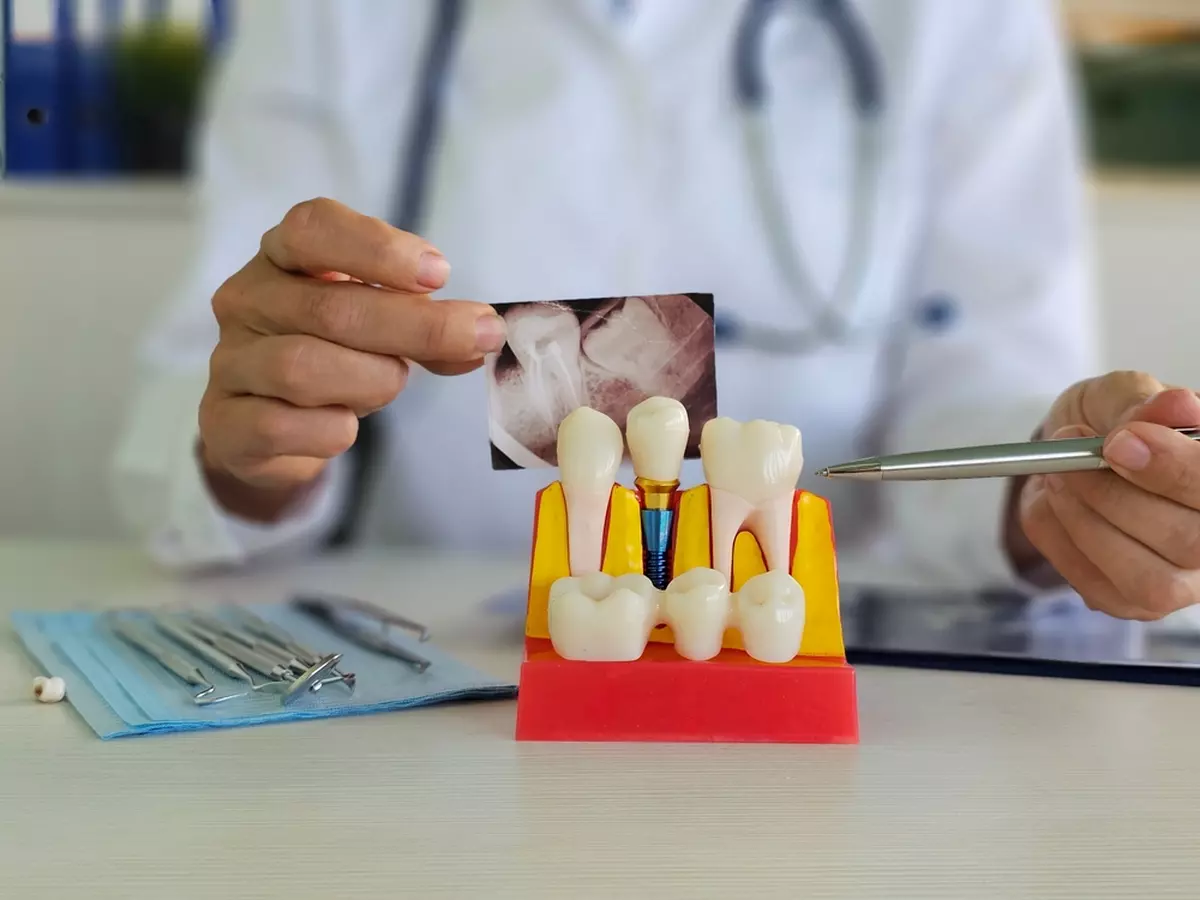
All-on-4 dental implants use four strategically positioned implants to support a complete arch of replacement teeth. The rear implants are typically angled to use available bone and avoid certain anatomical structures. Treating both arches generally requires separate implant support for each.
A custom All-on-4 bridge attaches to these implants. It remains fixed during everyday use and is removed only by a dental professional when necessary.
All-on-X describes the broader approach: the number of implants varies according to anatomy and restorative needs. All-on-X dental implants may involve four, six, or another clinically appropriate number.
Greater Stability Than Removable Dentures
Conventional complete dentures rest on the gums. Their fit can change as the underlying tissues change, and some patients experience movement while eating or speaking.
Implant support provides a more secure foundation. A fixed bridge does not depend on suction or denture adhesive for retention, which can make everyday activities feel more assured.
Implant-supported removable overdentures also improve retention, but patients remove them for cleaning. A fixed full-arch bridge offers a different daily experience, particularly for those who prefer teeth that remain in place. Both options require careful hygiene and professional maintenance.
A More Individualized Aesthetic Result
An exceptional restoration must suit the person wearing it. Tooth proportions, shade, surface texture, and the relationship between the teeth and lips all influence the final appearance.
Fixed implant restorations allow detailed customization, although excellent aesthetics are also possible with other treatments. The distinction depends on the clinician’s judgment and the quality of fabrication.
When reviewing before and after All-on-4 dental implants photographs, look beyond brightness. Consider whether tooth shapes complement the face, whether the smile appears balanced, and whether the transition between the bridge and natural tissues is discreet.
Patients disappointed by previous dentistry should discuss precisely what felt unsuccessful, including bulk, artificial appearance, or an uncomfortable bite.

Support for Chewing and Jawbone Health
Implants transfer chewing forces into the jawbone, helping limit the bone loss associated with missing teeth. Conventional dentures do not provide the same stimulation through implanted tooth-root replacements.
Once healing is complete, a stable bridge can improve chewing compared with an unstable removable denture. Comfortable function still depends on implant integration, bridge design, and a carefully balanced bite.
This treatment does not eliminate every dietary restriction or prevent all future bone changes. Daily cleaning beneath the bridge and ongoing assessment of the surrounding tissues remain essential.
Efficient Treatment With Appropriate Planning
Angled posterior implants may reduce the need for bone grafting in suitable patients. This can simplify treatment compared with approaches requiring additional grafting procedures, although grafting remains necessary in some cases.
Patients who achieve adequate implant stability may receive a fixed provisional bridge on the day of surgery. These temporary teeth provide an initial restoration while the implants heal.
Same-day teeth do not mean treatment is complete. Healing takes months, dietary restrictions protect the developing implant connections, and the definitive bridge follows when clinically appropriate.
Choosing Between Full-Mouth Reconstruction Options
All-on-Four dental implants are intended for arches with missing teeth or teeth that cannot predictably be retained. They should not automatically replace natural teeth that could remain healthy with appropriate treatment.
When teeth are salvageable, reconstruction with crowns, selected bridges, or individual implants may better preserve existing structures. When an arch requires replacement, a different implant number or a removable overdenture may better suit anatomy, hygiene needs, and restorative goals.
At Infinite Smiles in Powell, Ohio, Dr. Neal Patel combines digital planning with in-house fabrication. This coordination supports close attention to restoration fit, shade, and function throughout treatment.
For patients who expect meticulous care, the consultation should establish more than a procedure date. It should clarify the proposed materials, anticipated healing stages, cleaning access, and how the final design will be assessed. These details help distinguish a carefully considered restoration from a treatment selected by name alone.
A Refined Approach to Smile Restoration
The value of full-arch treatment rests in thoughtful diagnosis, precise execution, and a restoration designed for the individual. Learn about All-on-Four dental implants at Infinite Smiles and discuss an approach aligned with your expectations for appearance, comfort, and care.
Frequently Asked Questions
What Is the Downside of All-on-Four Dental Implants?
Treatment requires surgery, healing time, and diligent cleaning beneath the bridge. Risks include infection, implant failure, nerve injury, and restorative complications. If one implant fails, support for the entire bridge may be affected. Replacement of remaining teeth is irreversible, making careful diagnosis essential.
Can People With Autoimmune Disease Get Dental Implants?
Some can, but candidacy depends on the condition, disease control, medications, and oral health. Research is encouraging but limited. Your dentist should review your medical history and coordinate with your physician when appropriate before recommending surgery.
Can You Chew Gum With All-on-4 Implants?
Avoid chewing gum during healing unless your treating dentist specifically permits it. After the final restoration, suitability depends on bridge materials and your clinical situation. Ask your dentist whether gum is appropriate and which products to avoid.
How Long Do All-on-Four Implants Last?
The implants can function for decades with appropriate care, but longevity is not guaranteed. The bridge and its components may require repair or replacement sooner. Oral hygiene, smoking, bite forces, and regular maintenance influence durability.
What's Better Than All-on-4 Implants?
No option is universally better. Additional implants may suit certain anatomical or restorative requirements, while preserving natural teeth may be preferable when feasible. The strongest plan follows a comprehensive evaluation of bone, bite, health, aesthetics, and maintenance needs.
